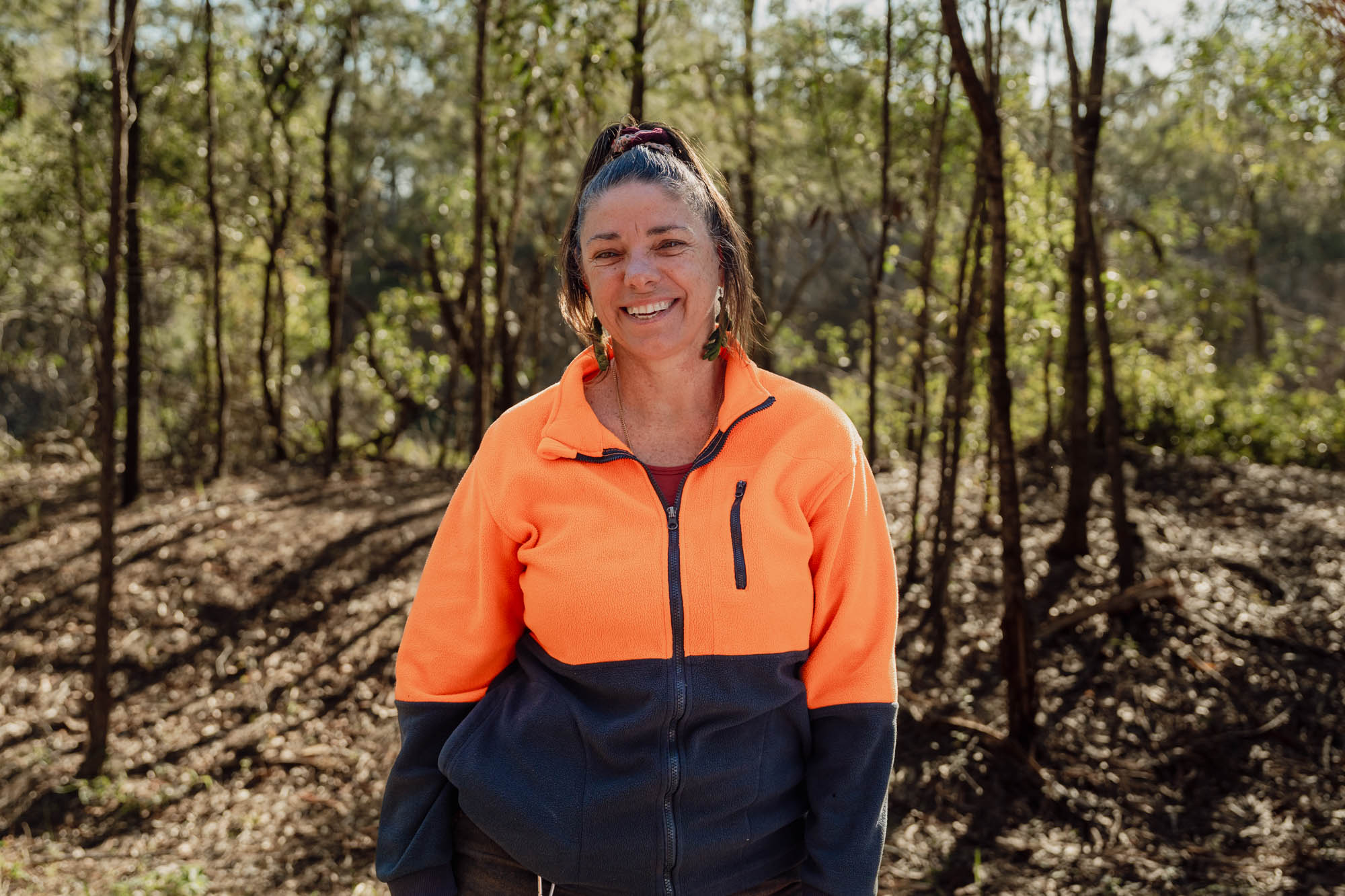
Meet Mia Faulks
Passionate about people, plants and the planet
Mia has called Ormeau home for 18 years and has spent much of that time quietly transforming the way her community thinks about food, waste and sustainability.
A mother of two, permaculture graduate and former ABC Gold Coast radio contributor, she has nurtured a love of practical, everyday sustainability through her local Community Garden and beyond.
Mia joined the Community Reference Group because ARRC's vision - particularly its potential as an education hub - aligns closely with everything she believes in: that when people are given the right knowledge and tools, they make better choices for themselves and the planet.
Tell us a bit about yourself.
My name is Mia Faulks and I have lived in Ormeau for 18 years. I am a mother of two and have spent the past 15 years raising my children through our local Community Garden.
For 18 months, I also shared gardening tips on ABC Gold Coast radio, including ideas for gardening with children and practical ways to repurpose, reuse and recycle in the garden.
I have completed a Permaculture Design Course, which has added to my knowledge and strengthened my interest in sharing practical sustainability ideas with the community.
What made you nominate to be a member of the Community Reference Group?
I nominated for the Community Reference Group because I am deeply interested in the environment, growing food and finding ways to reduce our footprint on the land.
The ARRC recycling program and education hub especially excite me because I am passionate about helping people understand waste, recycling and the choices we can all make in everyday life.
Do you think Australians, in general, think much about how and where their rubbish goes once their bins are emptied each week?
I think education and clear information are key. With the right support, people can build a better understanding of their consumer choices and where waste goes once it leaves their home.
The more awareness people have about waste and disposal options, the more likely they are to make informed decisions that reduce what ends up in landfill.
What do you see as the biggest opportunity ARRC will provide the Gold Coast?
I see ARRC as a hub for education, information and practical action. It has the potential to create opportunities for school groups, the wider community, international visitors and future jobs.
I also think it could become an important place for learning, connection and sharing ideas, while offering a safe and useful space for the community in different situations.
Has being a member of the Community Reference Group encouraged you to make any changes at home around managing waste?
Being involved in the Community Garden, and visiting parts of Europe where recycling is built into everyday life, has influenced the way I live at home and the choices I make as a consumer.
Wherever we can, we try to create a closed loop on our site and make choices that have as little impact on waste as possible.
Given the Gold Coast’s well‑known can‑do attitude, how would you rate ARRC’s chances of success?
I believe the ARRC program will create a significant positive impact on our waste system. It is a strong step forward for the future of recycling on the Gold Coast.
I think it has every chance to be successful and to help shape more sustainable habits for future generations.